


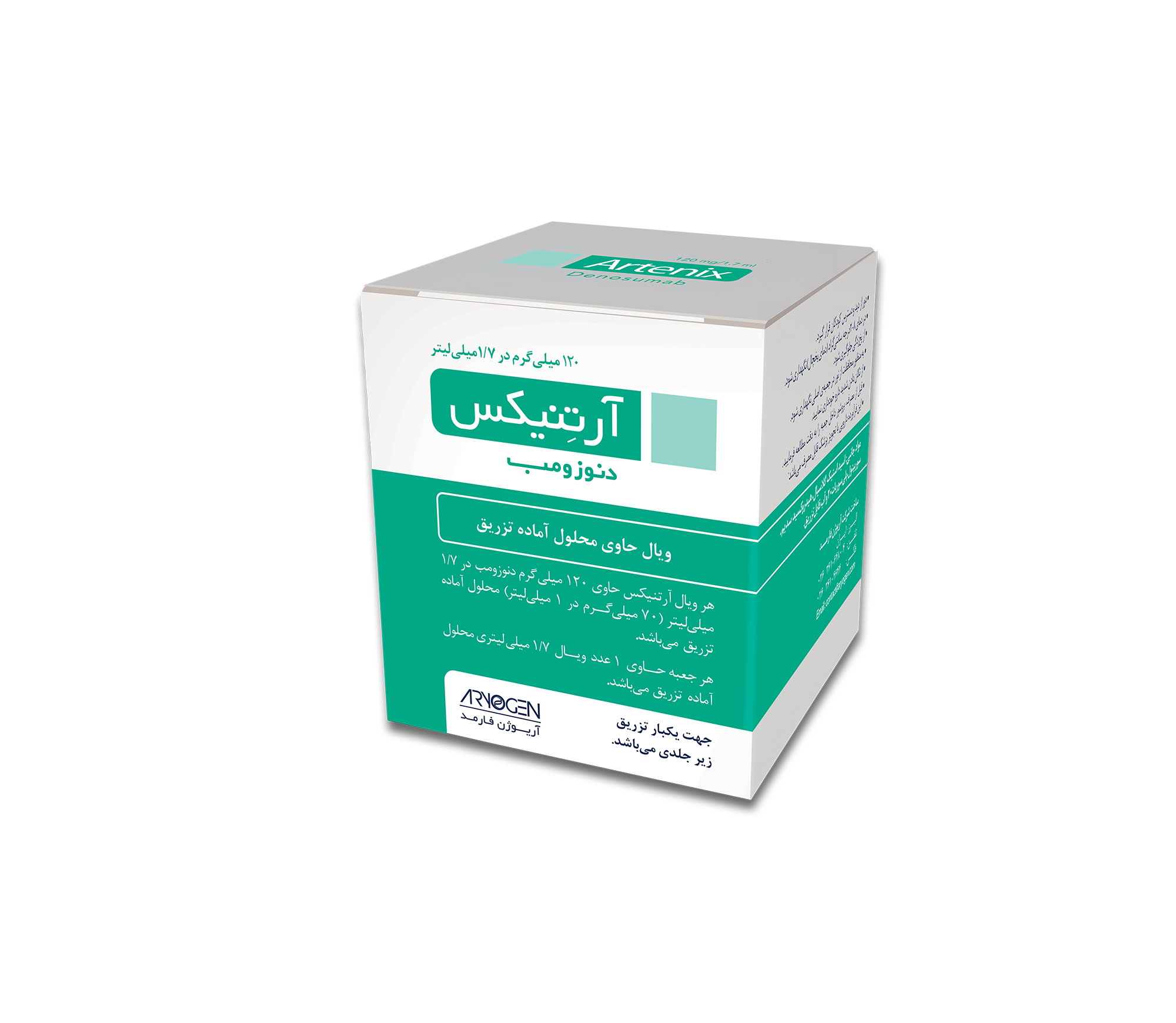
Artenix contains the active substance denosumab, which has a protein structure. This protein (monoclonal IgG2 antibody) specifically and targeted binds to the RANKL.
AryoSeven
AryoSeven is produced using recombinant BHK cells, which is stored in liquid nitrogen (-185) under cell bank regulations.
Altebrel
Active Raw Material (API) of Altebrel with the name of Etanercept is being purified via several pre-purification and purification steps by chromatography methods for use in final formulation.
Zytux
Zytux™ is a biosimilar product with the generic name of Rituximab. It is a genetically engineered human-mouse chimeric monoclonal antibody produced by Chinese Hamster Ovary (CHO) cells in suspension.
AryoTrust
AryoTrust (Trastuzumab) is produced by hiring recombinant CHO cells as small factories for production of the therapeutical protein.
Stivant
Stivant is used in different types of cancers such as; metastatic cancer of colon or rectum, progressive glioblastoma, Non-Small Cell Lung Cancer, advanced or metastatic cancer of kidney, ovarian, cervical cancer and metastatic breast cancer.
Temziva
Temziva can be used to treat Cytokine Release Syndrome (CRS) as the main danger cause of Corona disease in adult patients with confirmed diagnosis of covid-19.
Arylia
Arylia contains the active substance Denosumab with a protein stnucture. Denosumab is a human monoclonal antibody (lgG2) that targets and binds with high affinity and specificity to RANKL.
VedAryo
Arylia contains the active substance Denosumab with a protein stnucture. Denosumab is a human monoclonal antibody (lgG2) that targets and binds with high affinity and specificity to RANKL.
Artenix
Artenix
Denosumab
Artenix contains the active substance denosumab, which has a protein structure. This protein (monoclonal IgG2 antibody) specifically and targeted binds to the RANKL. RANKL is a protein that is essential for the formation, function and survival of osteoclasts (bone-resorbing cells). Artenix binds to RANKL and prevents RANKL from binding to its receptor called RANK, which is present on the surface of osteoclast precursors and osteoclasts. This binding prevents the formation, function and survival of osteoclasts, thereby decreasing bone resorption in cortical and trabecular bone, and thereby increasing bone mass and bone strength.
Artenix helps slow down the process of bone destruction in bone cancer (bone metastasis) and, in the treatment of giant cell tumour of bone, it reduces tumour growth.Uses of Artenix
How to use Artenix
Artenix is available by prescription only. The recommended dose of Artenix in adults is 120mg administrated once every 4 weeks as a subcutaneous injection. If you are being treated for Giant cell tumour of bone, you will receive additional doses of Artenix 1 week and 2 weeks after the first dose. During treatment with Artenix, you are required to take Calcium and Vitamin D supplements. Artenix is injected into the thigh, the abdomen (at least 5cm away from the navel), or the upper arm. Artenix is supplied as a ready-to-use vial containing a clear, colourless to pale yellow solution for injection. Each pack of Artenix contains one vial of solution for injection and one patient information leaflet.
